Gas Leak Repairs in Bribie Island
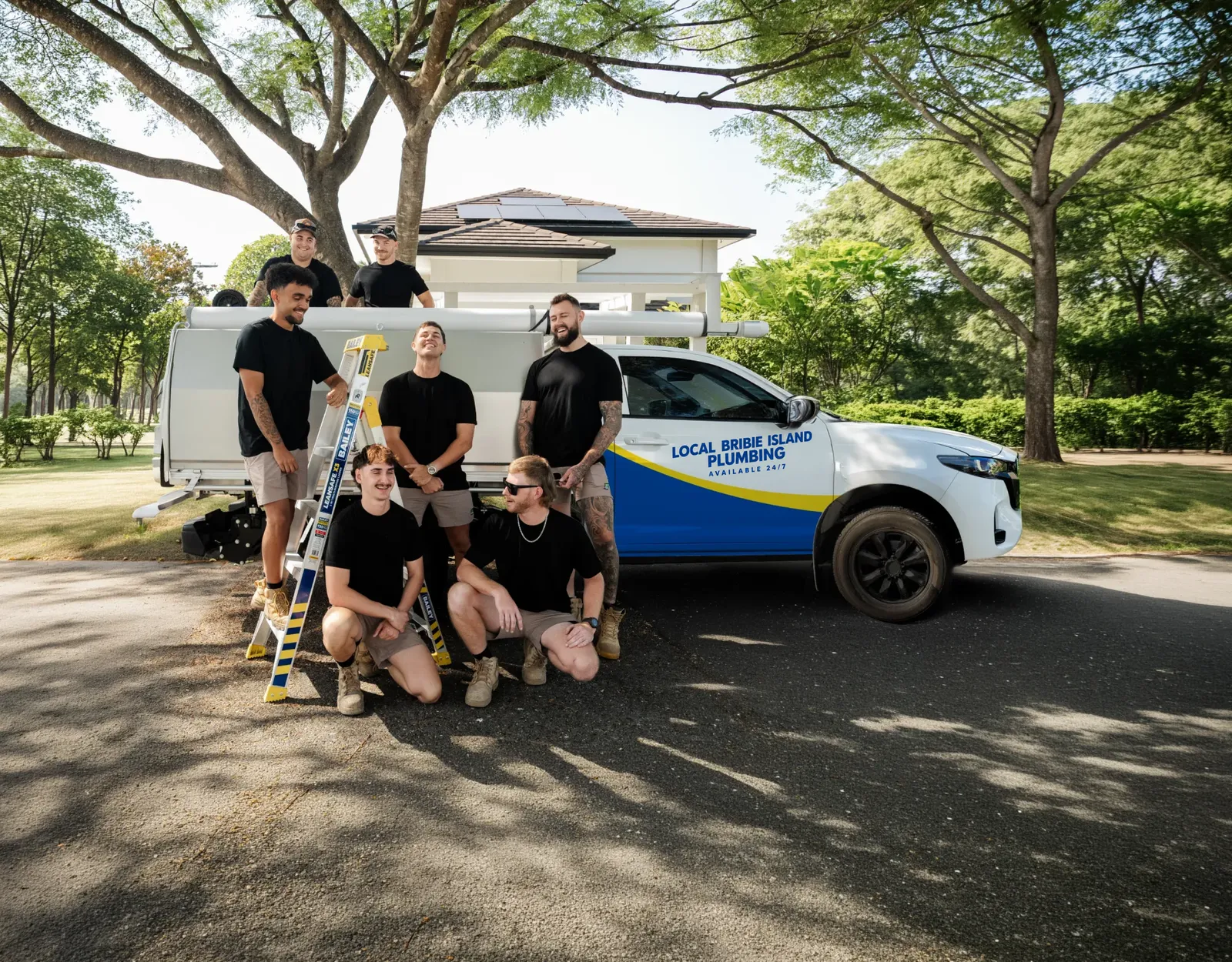
Gas leaks need a licensed gasfitter, and they need one quickly. We handle gas leak repair in Bribie Island and the suburbs around it, from the first safety steps through to the retest. We're available 24/7, with no extra charge for nights, weekends or public holidays, and we're the same team behind Bribie Island plumbing.
If we're late, $100 comes off your bill

- Licensed and InsuredEvery job done by a licensed plumber. QBCC No: 15024607
- Fixed Quote FirstFlat-rate pricing, agreed before any work starts
- Lifetime Labour WarrantyBacked by our Fix-It-or-It's-Free guarantee (T&Cs apply)
- $0 Call-Out FeesNo extra charge for nights, weekends or public holidays
If you can smell gas indoors right now, don't flick any switch or light anything. Get outside first, then call (07) 3520 4094 from out in the open air.
Gas work is tightly regulated in Queensland, and for good reason. Fuel gas in a closed space is highly flammable, and if that space fills it can push oxygen out and bring on dizziness or worse. That's why every part of this page, from finding the leak to signing it off, belongs with a licensed gasfitter.
How a Gas Fitter Finds the Leak
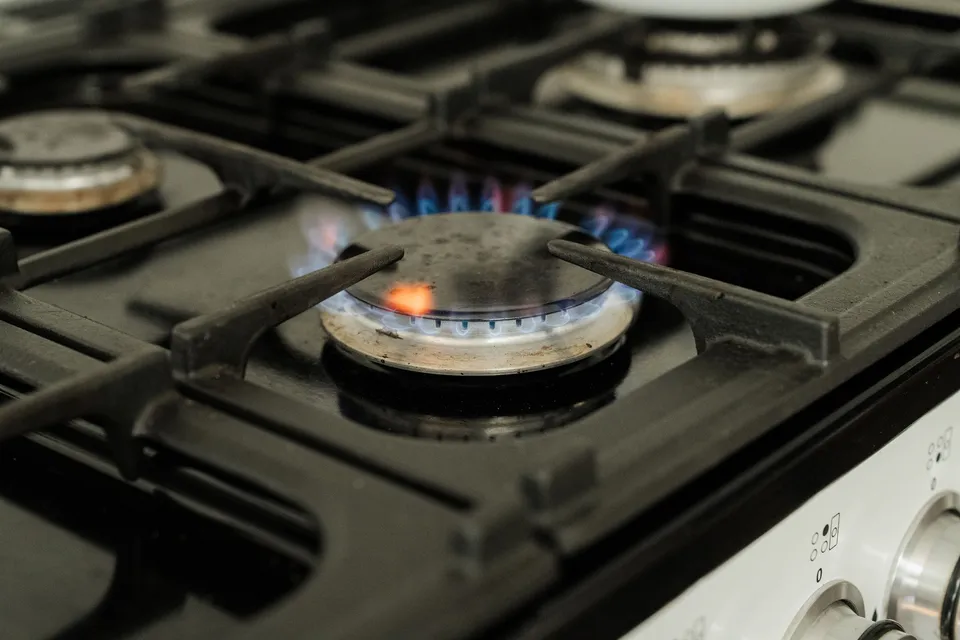
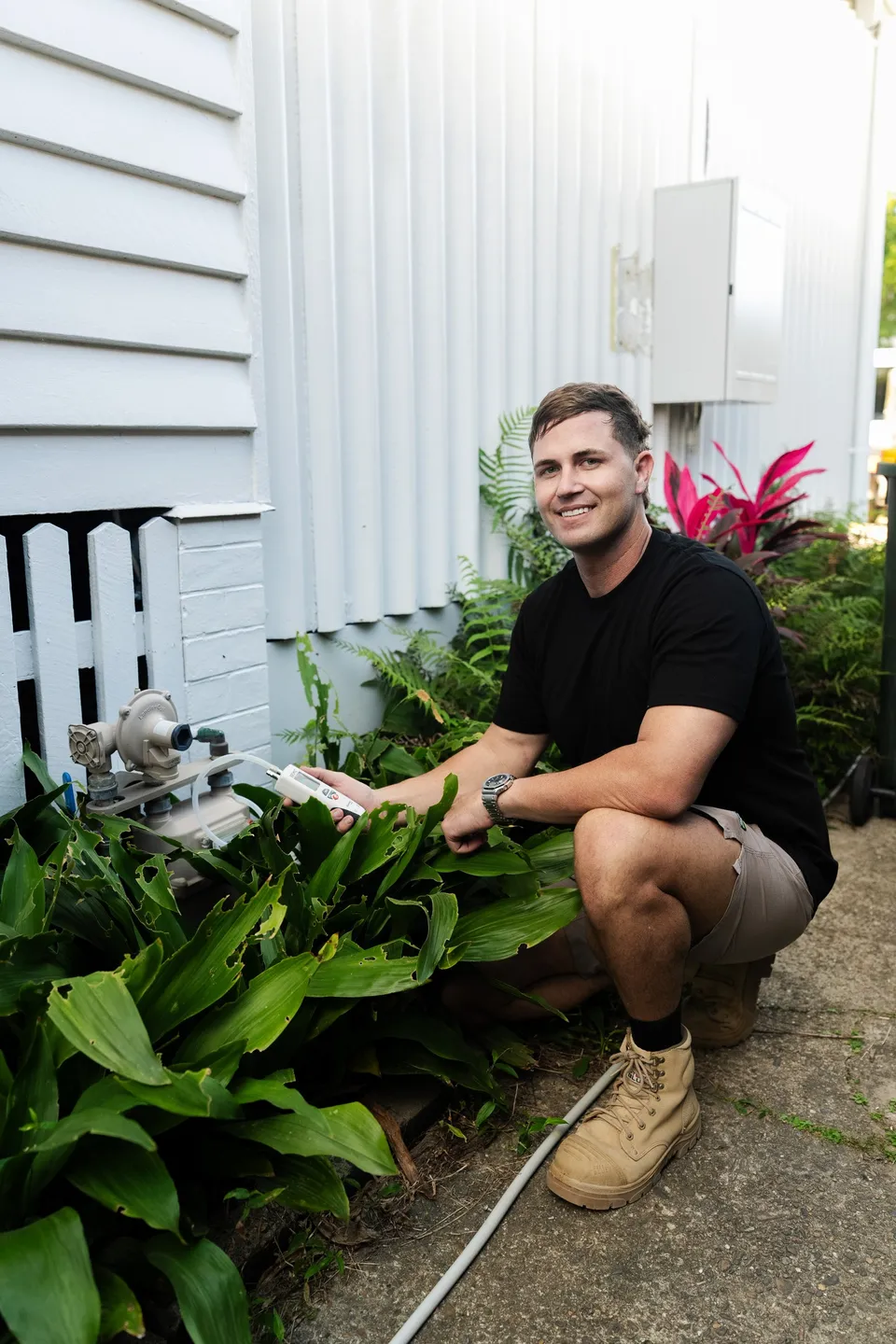
The gasfitter closes the supply, splits the pipe run into sections, pressure-tests each section to see which one drops, then works along the fittings to pin the exact leak point. That order matters, because it narrows a whole house down to one joint before anything gets opened up.
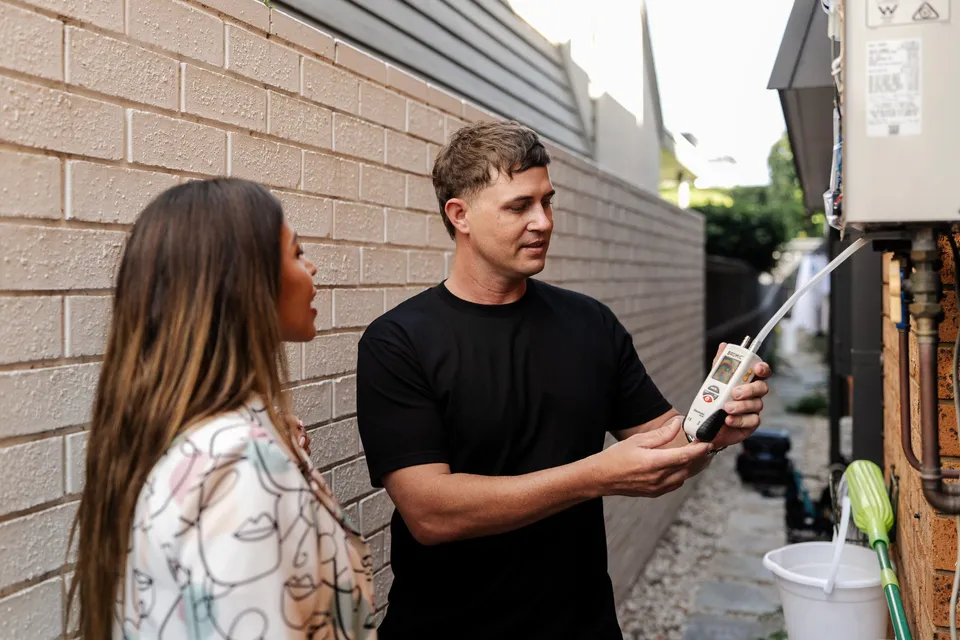
Householders can help with one check only. The Queensland Government's household test sprays a detergent-and-water mix over the meter or bottle fittings, the regulator hose and the connection point. Bubbles mean a leak, so note the spot, turn the supply off, wipe the suds away with clean water and contact a licensed gasfitter.
Everything past that check is our side of the fence. Pressure testing shows which section is losing gas, and the bubble check on individual fittings shows which joint. The repair then lands on the true fault instead of the nearest guess.
For the wider picture of what a gasfitter covers, our gas fitting page maps the lot.
What the Gas Fitter Gives You Afterwards
A gas job can end with paperwork, and each piece has its own trigger:
A defect notice
, when the gasfitter finds a safety concern that isn't fixed on the spot. If the fault is repaired immediately, no notice is needed.
A compliance certificate
, issued straight after work that installs or alters the gas system, to certify the finished job meets the rules.
A simple fitting swap may not count as an alteration, so it may come with neither paper. Anything that changes the system gets the certificate, and we lodge it within the required time.
If a safety concern turns into an imminent risk, the law sets the sequence. We make the situation safe first, then phone the network operator and the Petroleum and Gas Inspectorate before anything else happens. For the paperwork side in more depth, see our page on gas compliance certificates.
Why Only a Licensed Gas Fitter Can Fix It
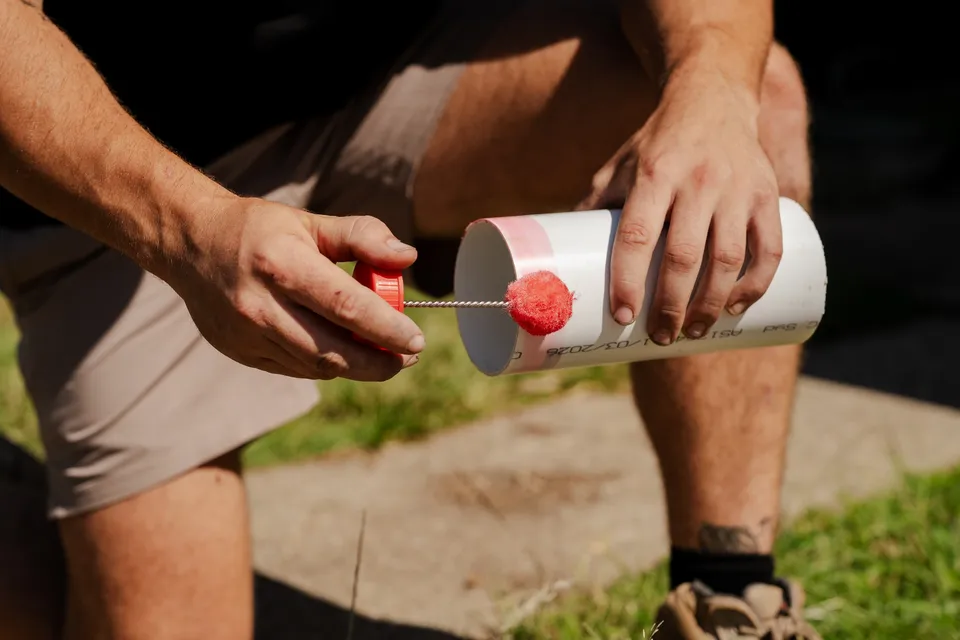
The fix scales with the fault, and a licensed gasfitter is the only person who may carry out any of it. Fixing and testing a gas system both count as gas work under Queensland law, which puts every option below behind the licence line.
- Replace a worn fitting or a faulty regulator, the smallest repair on the scale.
- Swap out an accessible section of pipe where the run itself has corroded.
- Run new pipe around a stretch that can't be reached, when opening the old line would mean pulling a wall or floor apart.
Whichever path the job takes, the system gets retested before the gas goes back on. A repair without a retest isn't a repair, it's a guess with the supply turned on.

Where Gas Leaks Usually Start
Most leaks start at a handful of points, running from the supply inward:
- The meter or cylinder fittings, the first metal in the system.
- The regulator and the hose feeding it, which flex and wear with age.
- The joints along the pipework, especially any that sit damp or buried.
- The final connection into the appliance, which gets moved during cleaning or renovation.
Corrosion does most of the damage on the first three. One behaviour difference is worth knowing while you wait. Natural gas weighs less than air, so a leak climbs and thins out in the open, while LPG sinks and gathers in low spots and drains.
The fuel therefore changes where escaping gas collects. If you're installing a new appliance onto an old line, our gas cooktop installation page covers what that job involves.
Storm Tide and the Low Blocks
Storm tide from Moreton Bay is the island's main flood threat, and a surge on a high tide would reach the low-lying blocks near the Passage and the canal estates first. A meter, regulator or cylinder that has sat in that water needs a licensed check before the gas gets used again.
Salt-laden air off the ocean and the Passage plays its part too. It ages exposed regulator fittings early, so corrosion at the meter shows up in island gas work far more often than the same fault does inland. A cylinder stored against a fence line off Endeavour Drive wears the same way as one near the beach.
How We Run the Job
- 1

Call or message us
Ring (07) 3520 4094 or use the form and describe what's going on in Bribie Island. A few details up front mean the right gear comes on the first trip.
- 2

We Test Before We Touch Anything
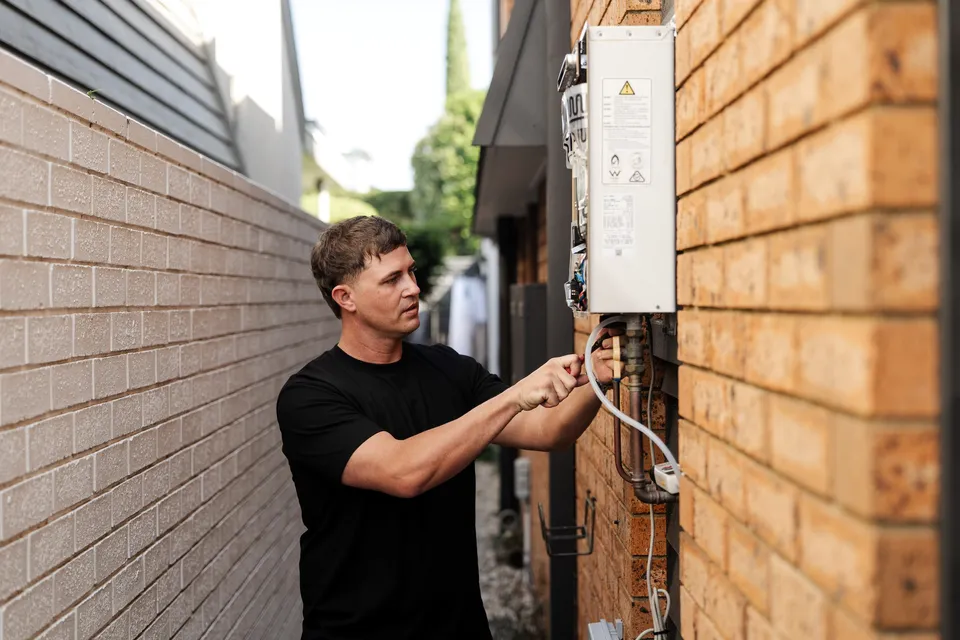
We shut the supply, then work along the line: the meter-side connections, the regulator and its hose, and each joint in the run. The leak gets pinned before any quote, so the price covers the real fault rather than a guess.
- 3
Fixed quote, then the work
We give you a fixed quote before any work starts. It's flat-rate pricing with no hidden fees, and we only start once you approve it.
- 4

Settle up your way
Card and EFTPOS payment on site when the job's finished, or Fix now, pay later if that suits you better.
Plumbing job in Bribie Island?
$0 call-out fees, available 24/7, and same-day where we can.
Questions About Gas Leaks on the Island
Call (07) 3520 4094Can I stay in the house if I can smell gas?
No, get out. Leave flames and electrical switches alone, turn the appliance off, and open doors and windows on the way. If the smell stays, shut the supply off at the meter or cylinder and call the gas supplier or a licensed gasfitter from outside; ring 000 if the smell persists once the supply is off.
Does LPG leak differently from natural gas?
Yes, natural gas is lighter than air, so a leak tends to rise and drift apart outdoors. LPG is heavier, so it can settle in low areas and drains instead of clearing. Treat every gas smell as a job for a licensed gasfitter either way.
Is a gas leak an emergency repair in a Bribie Island rental?
Yes, a gas leak is on Queensland's emergency repair list for rentals. A tenant reports it straight to the owner or property manager, and the fault gets fixed urgently rather than joining the routine queue. We take rental gas call-outs across the island.
Can I repair a gas leak myself in Bribie Island?
No, only a licensed gasfitter may repair or test a gas system in Queensland; both jobs count as gas work. Never repair or remove a cylinder valve yourself. Shut the supply off, keep clear, and call (07) 3520 4094.
What should I do about gas after a storm or flood on the island?
Call 000 if you can smell gas. Contact the gas supplier before using anything if meters, regulators or cylinders look damaged after water or wind. Storm tide is the island's main flood threat, so the low-lying streets near the Passage and the canals feel it first.

Call Us Before You Use It AgainWe'll call you back.
Call (07) 3520 4094 to book a plumber in Bribie Island. We're available 24/7, with $0 call-out fees, flat-rate pricing and same-day where we can.
To claim your $0 call-out fee, call (07) 3520 4094 today.